Conversation Starters
Learning how to read census records from the late 1700s, maps, and the lure of strawberries.
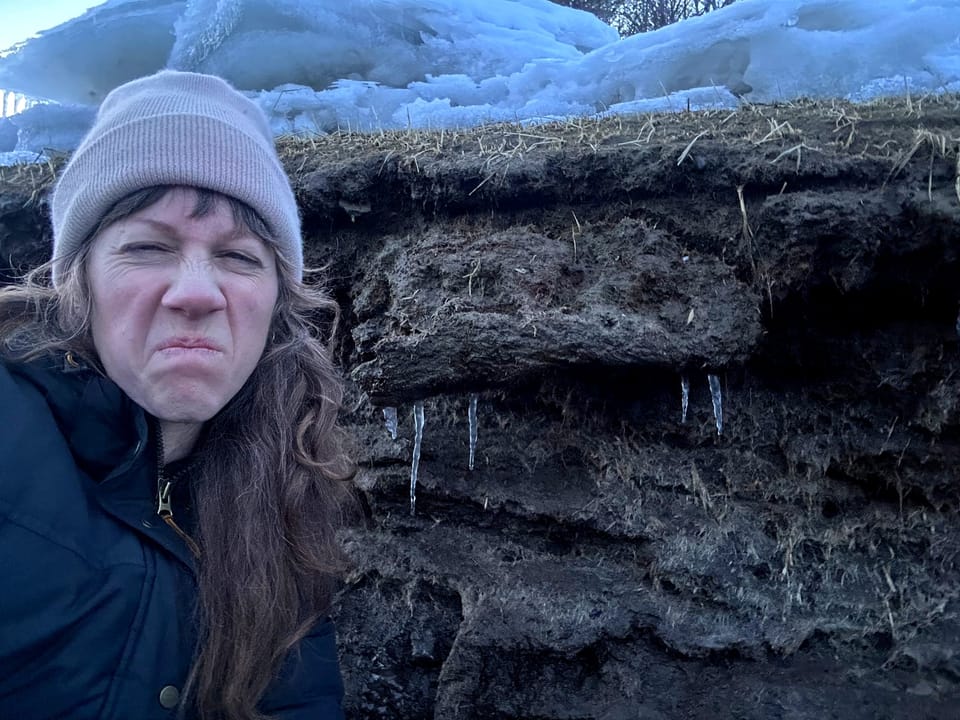
On a cold day a few weeks ago I found myself on the third floor of the Belfast Free Library with an intention to rest in a warm place for a spell before picking my kid up. I ran my eyes and then my fingers along the leather bound censuses from this region (what's now known as Waldo County, Maine), pulled a couple of them off the shelves to peruse if I got bored, and quickly became engrossed.
First, it was the way people were or were not categorized or counted.
For example:
1800 census: free white persons, and “all other free persons, except Indians, not taxed," slaves
1820 census: free white persons, slaves, “free Colored persons”, and all other persons, except Indians not taxed
If you're familiar with historical censuses, you know these things, they're not surprising. I was not familiar and their starkness took me aback.
Then, rare notes from registrars in the margins:

Then, all the additional categories that appear in the 1850 census:
Place of birth appears as a data point, along with occupation, and increased documentation of racial hierarchies and categories. In addition, the census no longer simply heads of households—ostensibly, all those living the household are noted and some semblance of story can start to appear.
For example:
(1850 Census) John Douglass, a 70 year old "Mulatto" musician, who was born in Santa Domingo, and lived in Frankfort with Mary Oney (age 30) and Franklin Hutchins (age 13).
(1850 Census) Bartholomew Mantero, a 26 year old mariner who was born in Cape Verde, and lived with Lucy and their children, Charles, and George. Handwriting is difficult, I suppose. Typed renditions of the 1850 census show Bartholomew Mantero as "Bathol Montero" and Charles as "Chas."*
*I found a newspaper article from 1851 notifying the public about the death of Bartholomew Mantero but it said he was just over 3, so it couldn't have been Bartholomew and was likely their son, George. It's hard (and often sad) to fact check 175-year-old newspaper articles about folks passing in small towns—also, a good reminder of how important it is to check sources and verify from multiple angles before jumping to conclusions, which my giddy brain is often wont to do because a good story can be intoxicating.
Then, a few folks in the 1790 census:
I came to this census by way of historian Lisa Simpson Lutts (currently of Atlantic Black Box) who provided me with a crash course in researching within historical archives (as well as ongoing camaraderie and support in these endeavors) and a head start on some names to look out for.
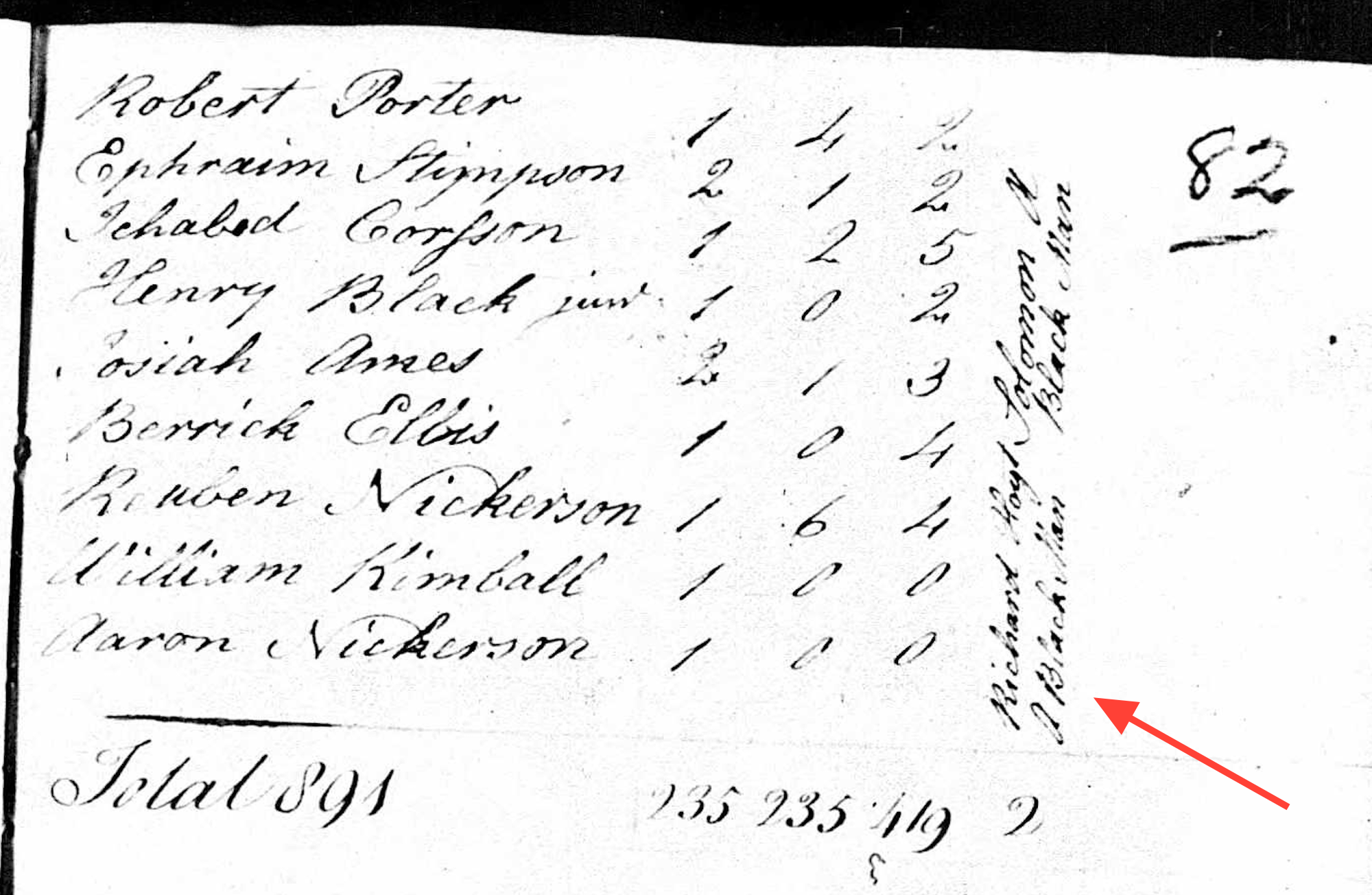
In the year 1790, two Black males were listed in the Frankfort census: Richard Hoyt and Solomon (no last name documented).
In the hand written copy of the census, they appear like this: